A Utah nonprofit public conservation-education organizationInstitutional qualifications →
Eagle ambassadors

Wild animals in lifelong professional care.

Nonreleasable eagles can help people understand both the resilience of wildlife and the responsibility involved in caring for an animal that cannot return to the wild.

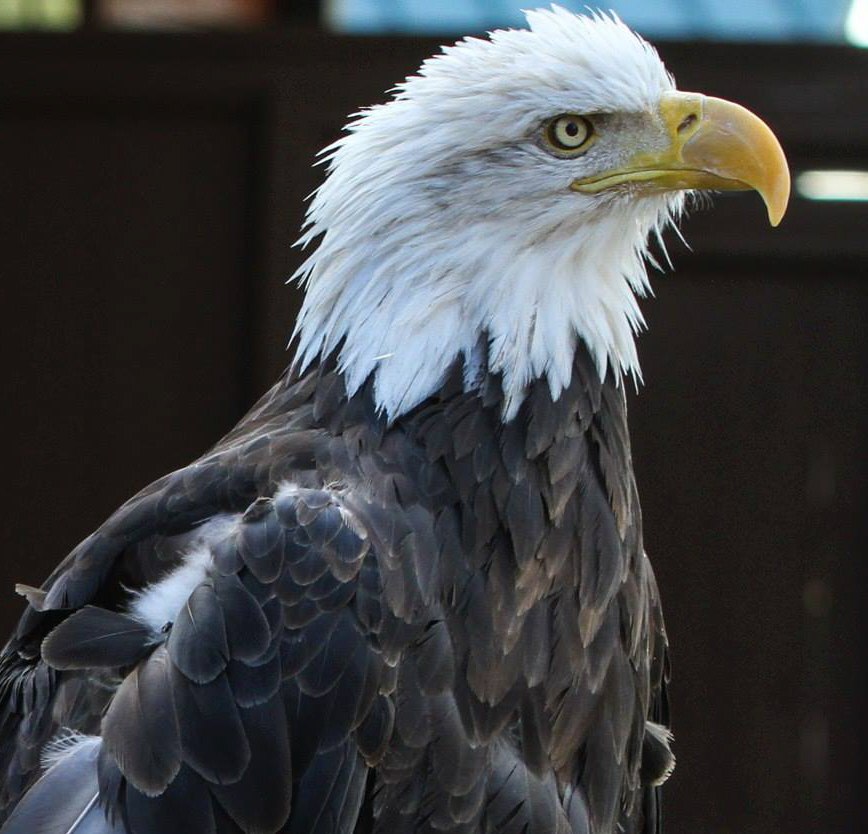
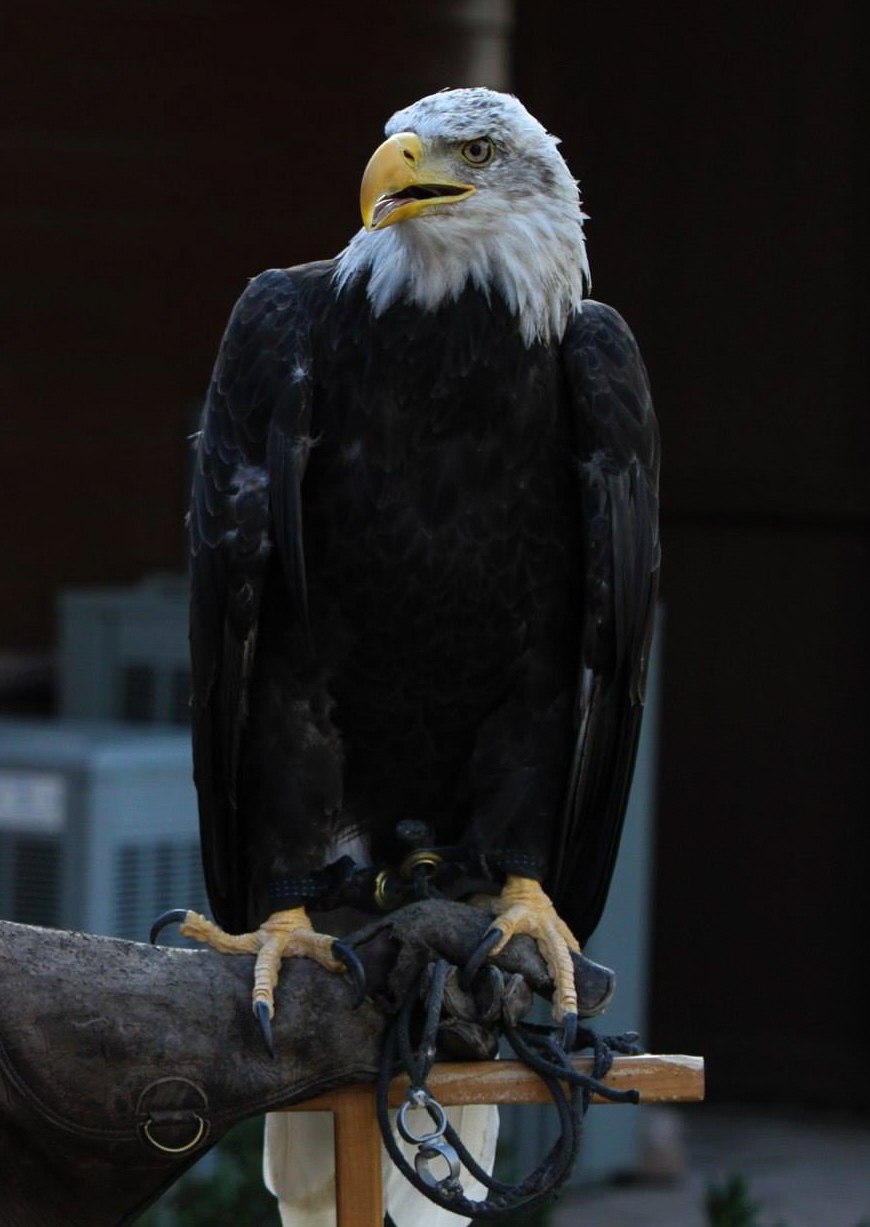
Freedom, a nonreleasable Bald Eagle education ambassador
Bald Eagle

Freedom

Haliaeetus leucocephalus

A glove-trained, nonreleasable Bald Eagle who helps audiences understand America’s national bird as a living predator, a conservation success story and a species that still depends on clean habitat and responsible human behavior.
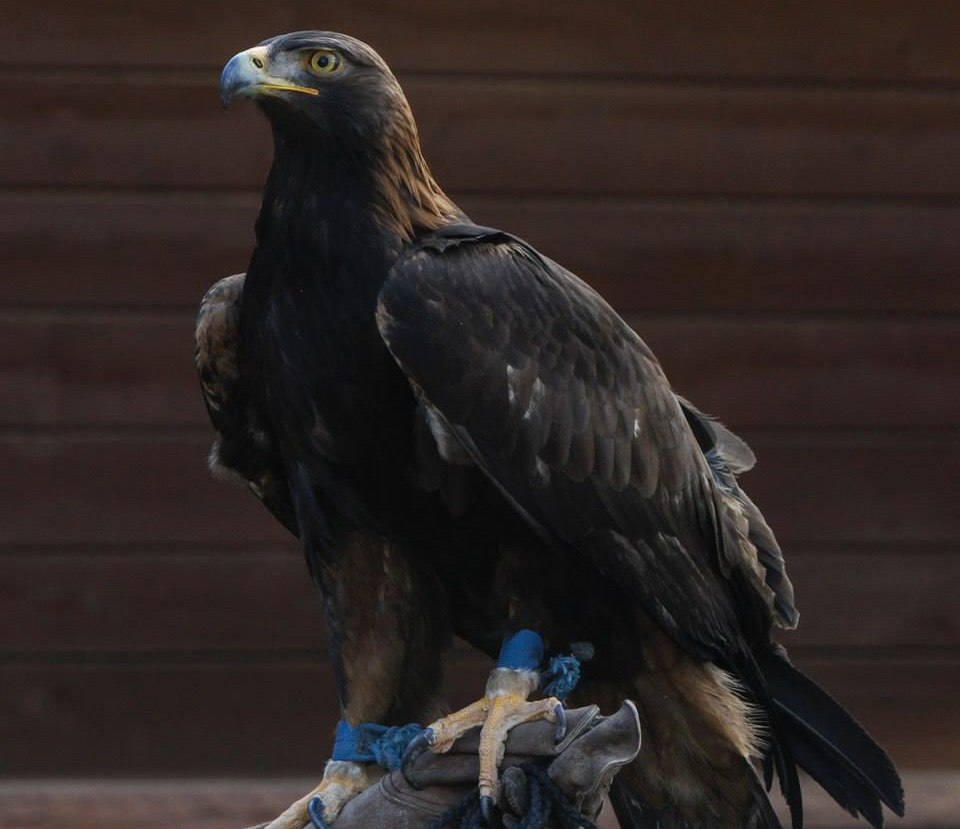
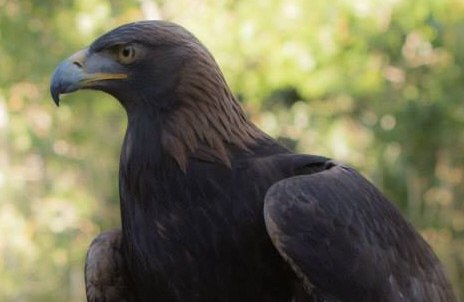
Magondo, a nonreleasable Golden Eagle education ambassador
Golden Eagle

Magondo

Aquila chrysaetos

A glove-trained, nonreleasable Golden Eagle who helps audiences explore open-country ecology, hunting adaptations, Utah landscapes, human-caused hazards and the importance of protecting habitat and prey.

Current care

Freedom and Magondo are cared for by Lions of the Sky caretakers.

Their current Live Eagle Exhibition permit is held by Steve Chindgren and was sponsored by Utah’s Hogle Zoo. Lions of the Sky is preparing its own organizational permit application.

Institutional qualifications
Why some eagles remain in care

Release is always the goal—when survival is possible.

Wildlife rehabilitators release eagles whenever an animal can safely survive in the wild. Some birds have permanent injuries, impaired flight, visual limitations, behavioral conditions or other circumstances that make independent survival impossible.

Only eagles determined to be nonreleasable may be placed for education under appropriate federal authority. Placement does not make an eagle private property; care remains subject to federal stewardship and permit conditions.

Close profile of a Bald Eagle used for natural-history education
Look closely

Two species, different adaptations and landscapes.

Close profile of a Bald Eagle showing beak, eye and feather structure
Bald Eagle anatomy
Golden Eagle profile showing head and beak adaptations
Golden Eagle anatomy
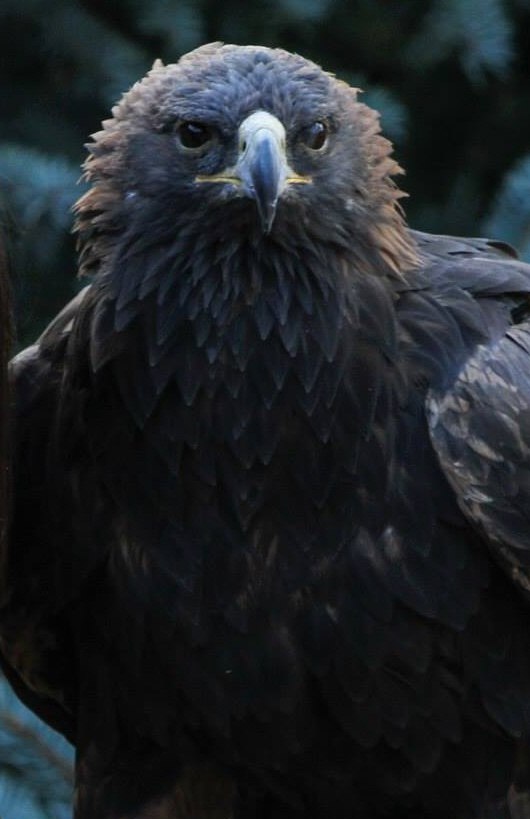
Front-facing close view of a Golden Eagle
Golden Eagle close study
Respectful presentation

The eagle’s dignity comes before the program.

Always controlled

A trained adult maintains control with appropriate glove, jesses, leash and transport equipment.

Never public contact

Audience separation is maintained. Eagles are not touched, passed around or used for casual photographs.

Always educational

The eagle appears for a defined conservation lesson—not personal use or outside commercial endorsement.

Learn from the living animal

See anatomy, behavior and conservation in one unforgettable lesson.

Explore programs