1
Inspect
Evaluate the eagle, enclosure, perches, equipment, food, water, weather and signs of injury or stress.

Secure housing, daily observation, sanitation, diet management, enrichment, equipment care, veterinary planning and emergency preparation make responsible education possible.
Housing and care are based on species, size, flight ability, physical condition, behavior, weather and individual needs.
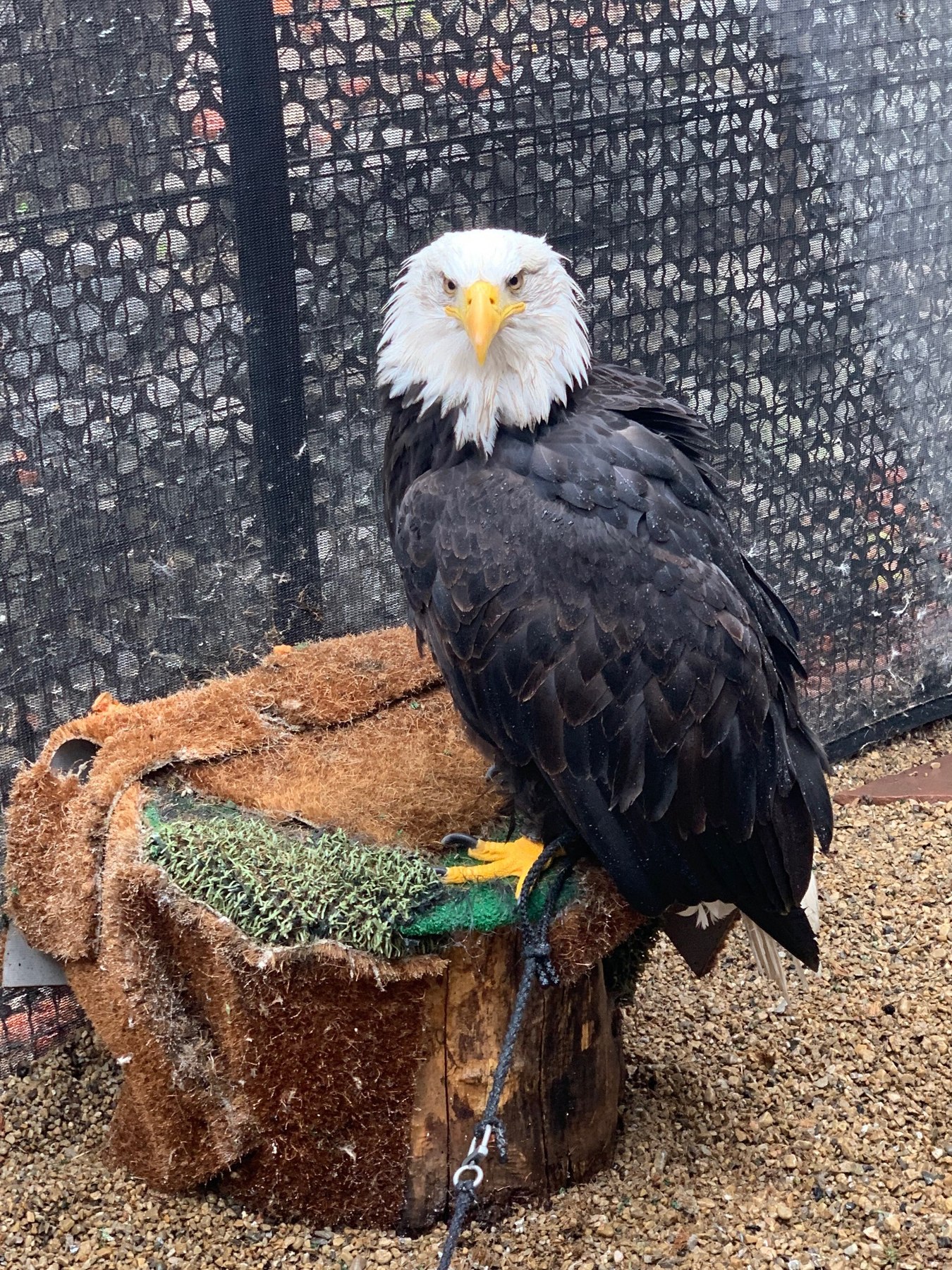
Evaluate the eagle, enclosure, perches, equipment, food, water, weather and signs of injury or stress.
Clean safely, replace water, manage food, maintain equipment and correct hazards promptly.
Provide safe opportunities that support natural behaviors and accommodate physical limitations.
Maintain care, weight, health, program, transfer, acquisition and other required records.
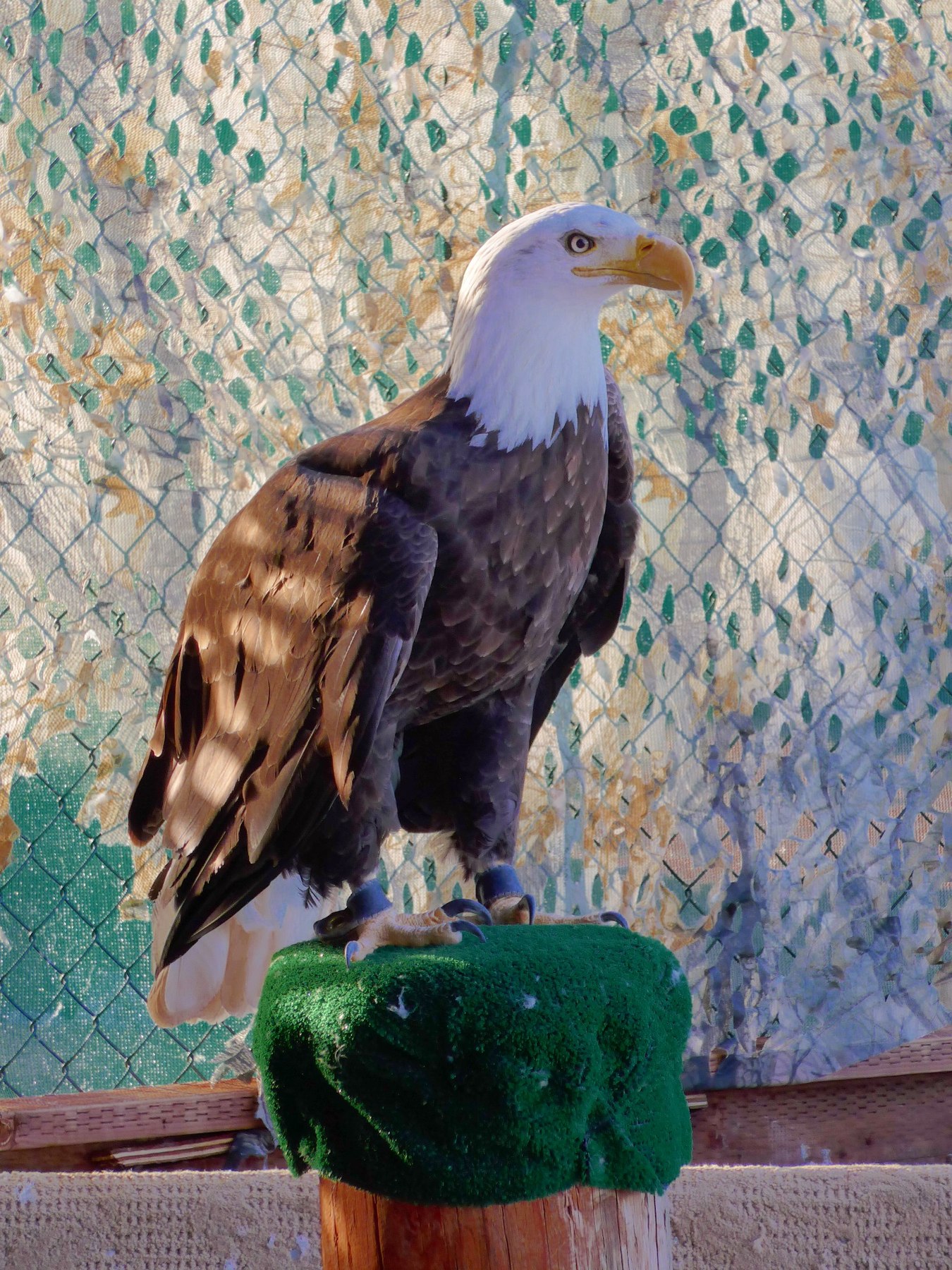
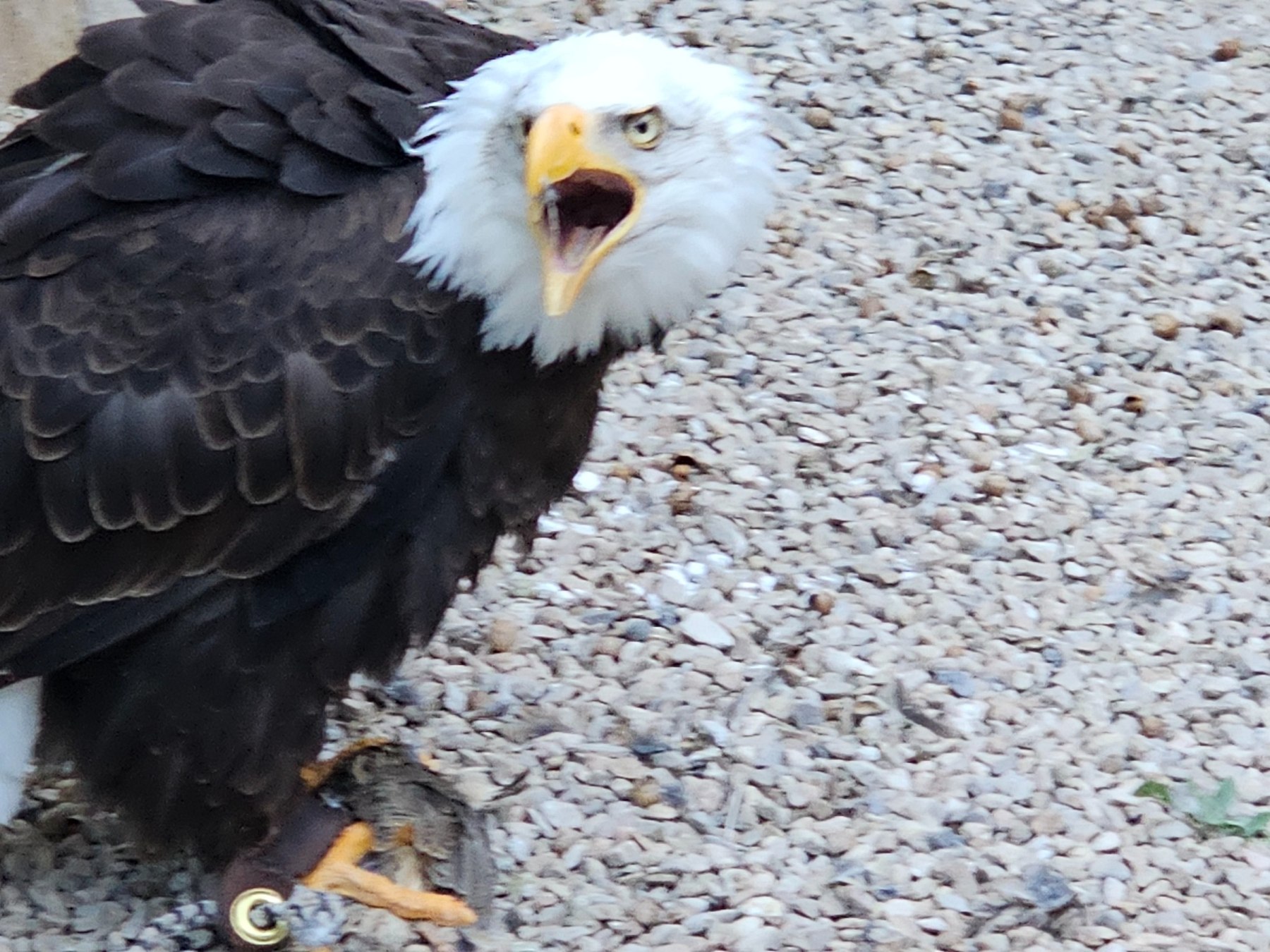
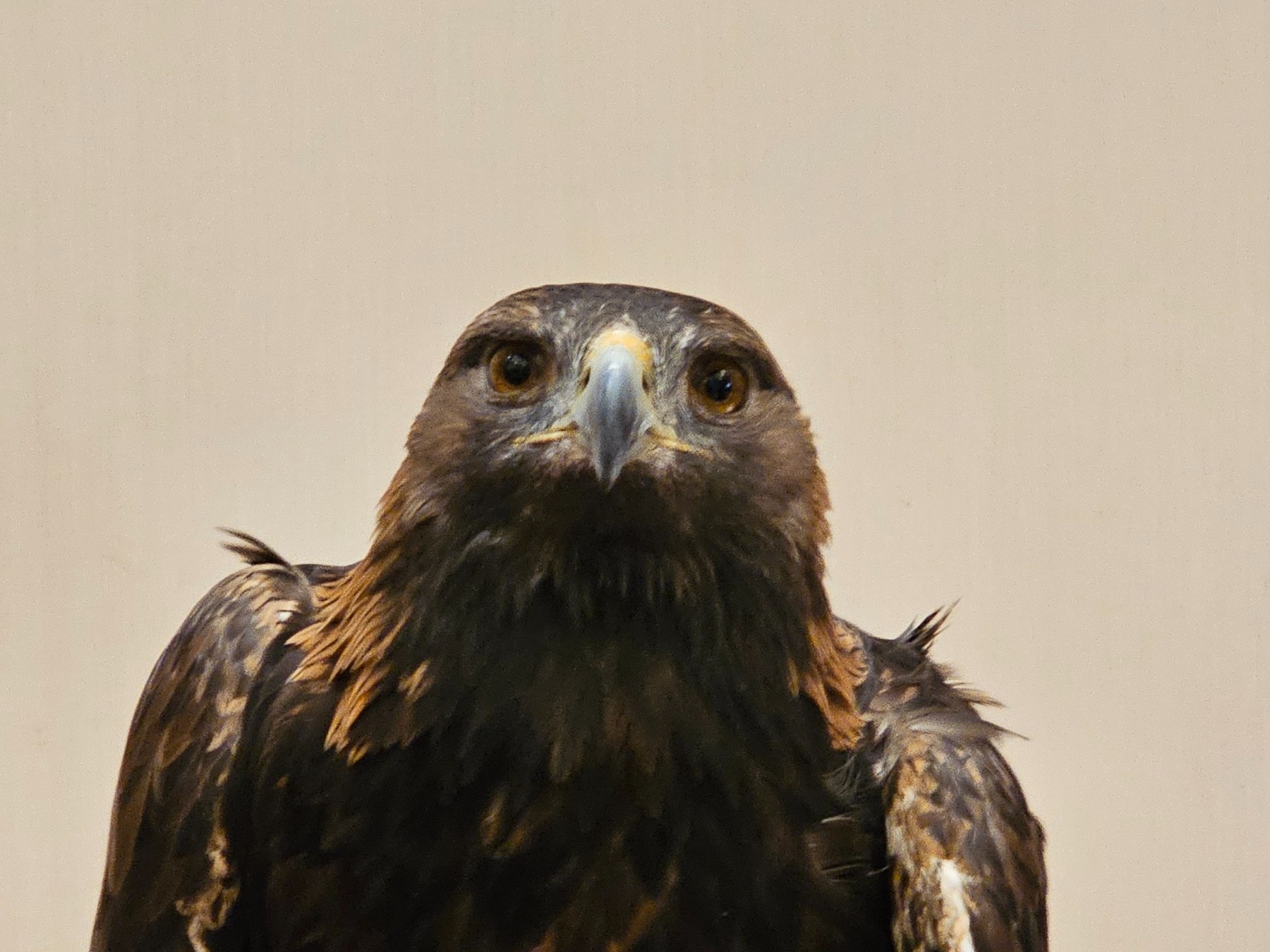
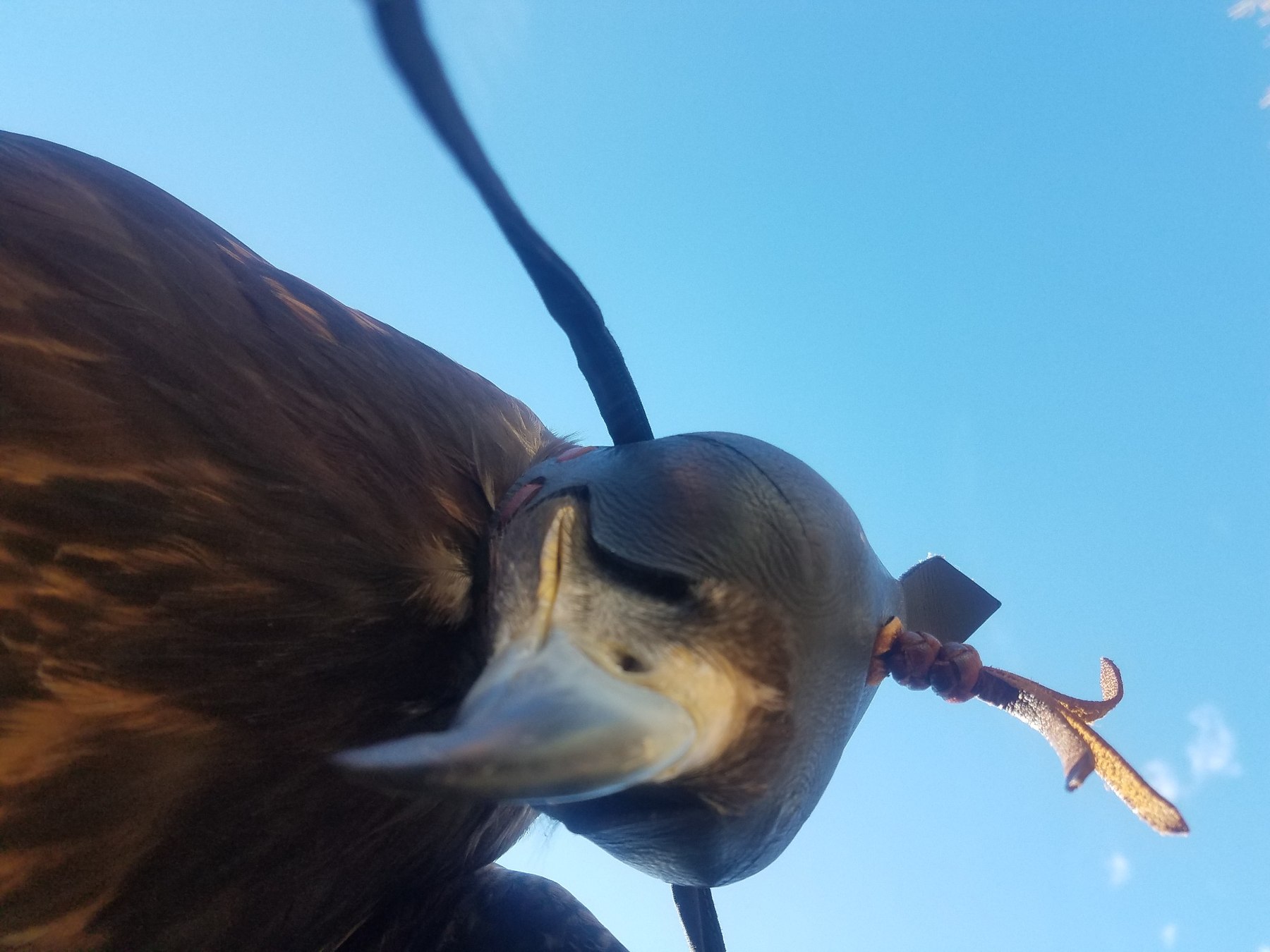
Planning includes secure species-appropriate containers, ventilation, weather, travel duration, loading routes, equipment checks, safe staging, public separation and contingency procedures.
At programs, trained personnel maintain control at all times. Eagles do not come into contact with the public.
The broader record also includes 1,900 hours of husbandry, feeding, weight management, transport and outreach, plus zoo handling and specialized glove training.
Review qualificationsDimensions, construction details, residential addresses, locks and emergency locations are maintained for authorized review while public pages explain the care philosophy and general standards.